
If your property in Weld County is not connected to the public sewer system, you will need a septic system, also called an on-site wastewater treatment system (OWTS). Weld County has specific requirements for installing a new septic system, repairing your existing system, or making changes to a property that uses septic.
This guide explains what you need to know about septic permits, inspections, repairs, and other requirements in Weld County.

Do You Need a Septic Permit in Weld County?
Yes, you need a Weld County permit to install a new septic system and for many types of septic repairs.
This includes:
- New septic systems
- Septic repairs and upgrades
- Drainfield replacement
- Minor repairs
- Septic tanks and pump chambers
- Vault installations
- Existing septic systems that aren’t on record
We Cover the Entire Process for You: From Permits to Final Inspections
1. Evaluate the Property
We determine what the property can support and whether a septic system is appropriate for the site (Weld County’s policy is to use public sewer where feasible). This includes looking at the available space, wells, property lines, setbacks, and where the system can go.
2. Soils Analysis
The purpose of a soils test is to see what type of septic system will work on your property and how it should be designed. Soil throughout Weld County can be sandy, rocky, loamy, or clay-heavy, which all affect the design and layout in different ways. We measure soil texture, depth, drainage, rock and other limiting layers, and also groundwater levels.
3. Septic System Design
From the evaluations above, we determine the size and type of septic system you need. Some properties require an engineered design based on the results of the site and soil evaluation. We design a system and its layout that are needed before getting a permit.
4. Submit the Permit Application
Once the system is designed, we submit the permit application and required documents (soils report, septic design) to Weld County on your behalf. We handle the permitting process for you, including the required septic permit fee, which is included in your final project price, so you don’t have to deal with the county paperwork on your own.
5. County Inspection
Before the permit is issued, Weld County will inspect the site, marking the proposed septic area, soil test areas, and well or cistern.
6. Septic System Installation
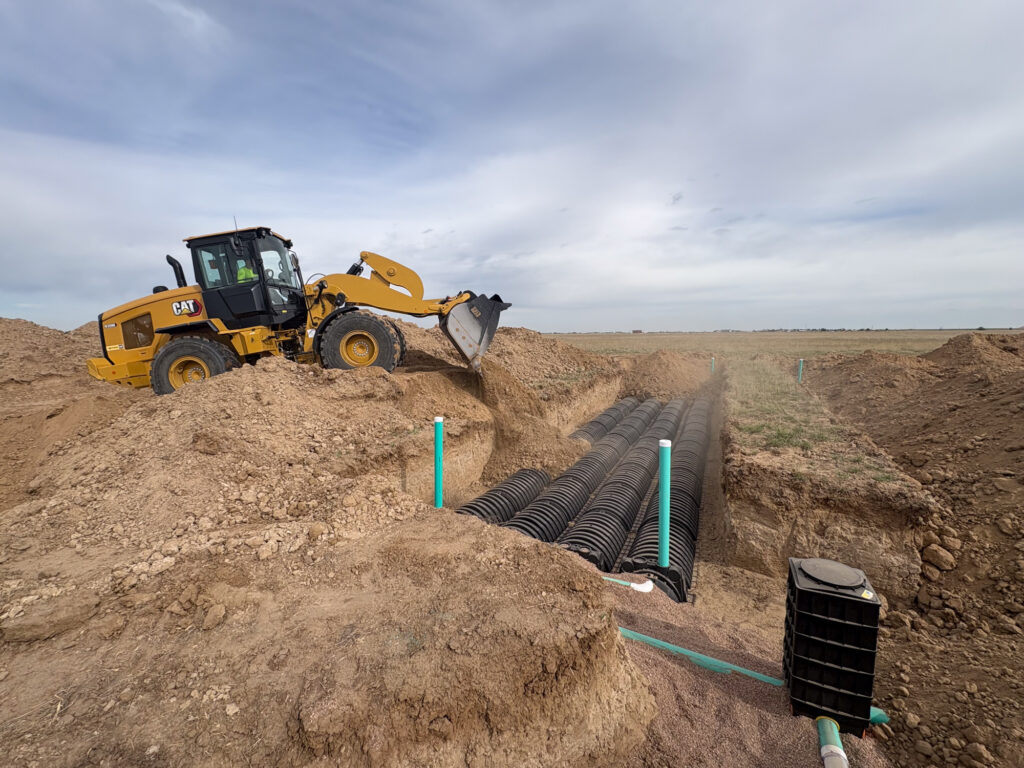
After the permit is approved, we install the system according to the approved plans.
7. Final Inspection
Weld County needs to inspect the system before it is covered with soil. We coordinate this final inspection and backfill the system once the required inspection is complete.
8. As-Builts
We provided you with an as-built drawing that shows where the system was actually installed. Keep this information for future repairs, inspections, or property improvements.
Special Considerations in Weld County
Weld County Soils
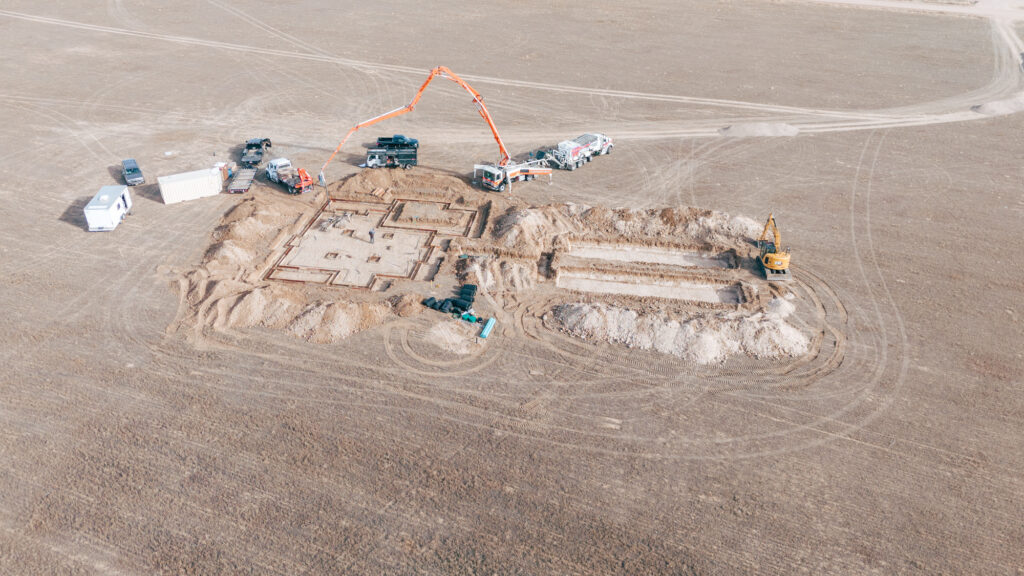
The soil conditions can change quite a bit depending on where in Weld County you are. Some properties we’ve seen have sandy or loamy soil, and others have heavier clay, gravel, rock, or restrictive layers below the surface. Those differences can mean two totally different septic designs that are required.
Groundwater or Limiting Layers (Restrictive Layers)
Groundwater and restrictive layers like bedrock can limit how and where your drain field can be installed. Weld County specifically requires an engineer-designed system when groundwater or another limiting layer is within 4 feet of the existing ground surface.
Steep or Difficult Lots
A steep lot will affect both the layout and the design of your septic system. Weld County requires an engineer-designed system when the ground slope exceeds 30%. Difficult access, limited space, or elevation changes can also make excavation and installation more involved.
Existing Systems May Need to Meet Current Requirements
If you’re adding bedrooms, remodeling, or applying for certain land-use approvals, Weld County may require an evaluation and inspection of your current septic system. For example, an On-Site Wastewater Treatment System (OWTS) evaluation and inspection is required when a residential building permit increases the number of bedrooms in a home served by septic. It may also be required when a home has an OWTS that was never permitted.
What Does a Septic System Cost in Weld County?
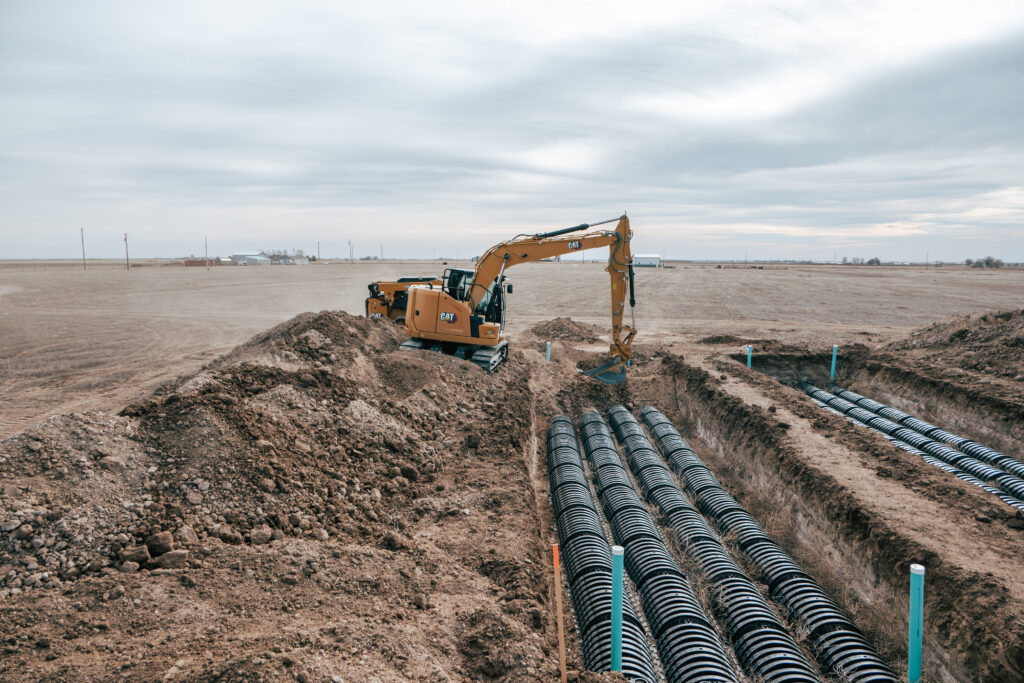
For 2026, Weld County’s residential OWTs permit fee is $1,500 for a new system and $1,100 for a residential repair or alteration permit. Minor repairs have a separate $250 permit fee.
This permit is only one part of the total project cost. Depending on the tank type and size, soil treatment area, excavation, system design, pumps, or other equipment, the cost range can be anywhere from $20,000–$35,000 (including materials, labor, engineering, and permits).
Septic System Costs in Northern Colorado: 2026 Price Breakdown
FAQs
Do I need to upgrade my septic system if I add a bedroom?
You may need to have the existing septic system evaluated. Weld County requires an OWTS evaluation and inspection when a residential building permit increases the number of bedrooms in a home served by an OWTS. The county will then determine whether the existing system meets requirements for the increased use. If it doesn’t, an upgrade may be required before the building permit can move forward.
How long does it take to get a septic permit in Weld County?
Expect a lead time of around 5 working days or a full week for the County to process the permit and do a site inspection.
How much does a septic permit cost in Weld County?
For 2026, the residential OWTS permit fee is $1,500 for a new system and $1,100 for a repair or alteration. Minor repairs have a $250 permit fee. The permit fee is separate from the cost of the septic system itself, including the tank, drain field, excavation, design, and other components.
What happens if my septic system fails an inspection?
The county will identify what needs to be corrected before the system can receive final approval. One of the most common problems is covering part of the system before the county has inspected it—they require installations to be inspected before backfilling. Other issues can include improper pipe slope, system components installed differently than the approved design, or other problems identified during the inspection.
Does Weld County require a septic inspection when selling a home?
No. Weld County does not currently require an OWTS inspection or Transfer of Title Certificate just because a property is being sold. However, the county recommends having the septic system inspected and the tank cleaned and inspected by a licensed septic cleaner before new ownership takes place.
How can I tell if my septic system needs replacement or just repairs?
Some problems can be repaired without replacing the entire system. Others indicate that the soil treatment area or multiple system components need to be replaced. Warning signs of a failing system include slow drains, gurgling plumbing, sewage backups or odors, wet or mushy areas in the yard, unusually green grass over the drain field, or bacteria or nutrient problems in well water. A system can also fail without obvious warning signs. The best way to determine whether you need a repair or replacement is to have the existing system evaluated.
What should I know when buying a home with septic in Weld County?
Start by finding out whether the septic system has a permit on file with Weld County. You should also have the septic tank and system inspected by a licensed septic professional before purchasing the property. Ask for records showing the system’s location, previous pumping, repairs, and any inspections or permits. If the system is unpermitted, that can create additional requirements if you later remodel, add bedrooms, or make other changes to the property.
Ace Septic & Excavation: Septic Contractors in Weld County
Our Services Include…
Septic System Installation
Replace your current septic system or install a completely new septic system and drain field, including a soils analysis and all necessary permitting.
Septic System Repair
Diagnose and fix issues with your septic system, from drain field problems to tank damage, beginning with a thorough system inspection.
Septic System Design
Get an engineered septic system designed for your property, including all soil testing and permitting for local health department approval.
Drain Field Repair
Get diagnosis and repair on issues like clogs, soil compaction, and poor drainage, aiming to restore your system without full replacement.
Have Questions About A Septic Project in Weld County?
Weld County is one of the more straightforward counties we work in, and most properties we see can use a conventional gravity system. If you’re looking to do a septic project, we’ll help you evaluate the property, determine the right system, and handle the county permitting process so you know what to expect before work begins.
- Permits Included
- Full-Service Septic Repairs & Installations
- Free Inspections & Estimates